Boboli Gardens entrance
The main entrance to the Boboli Gardens is located within the Pitti Palace at Piazza de' Pitti, 1. However, visitors find other available gates as well. Here, we detail all entry points and explain how to get to them on foot or via different means of transport.
Support when you need it
Customer support to help you with everything you need from 8:00 to 19:00.
Fast and online booking
Select your ticket for your needs and preferences and avoid the lines booking here.
Top attraction in the city
Discover Florence’s Pitti Palace and step into centuries of history of the Florentine dynasties.
Where is the entrance of the Boboli Gardens located?
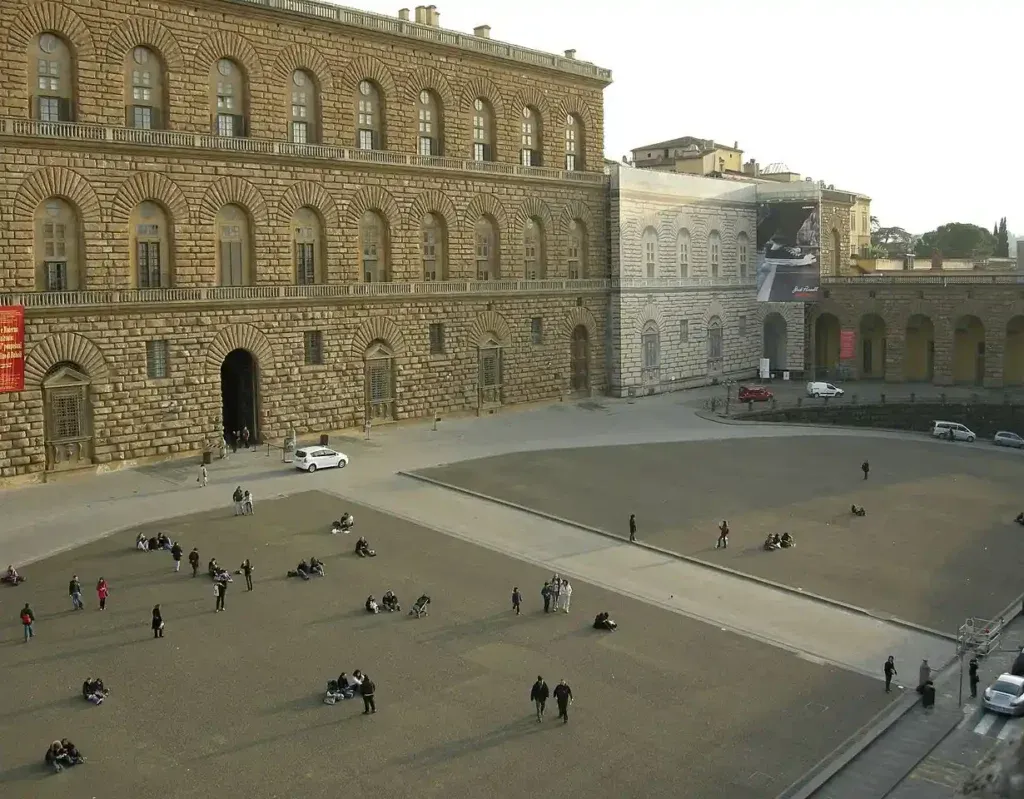
The most famous entrance to the Boboli Gardens occupies the main facade of the Pitti Palace at Piazza de' Pitti, 1, 50125 Firenze FI, Italy. This access point centralizes the flow of tourists who want to explore the museum complex of the Medici family. This powerful dynasty of bankers and patrons ruled Florence and promoted the Italian Renaissance.
However, the site features three other strategic access points to facilitate entry from different areas of the city. In addition to the main entrance at the Pitti Palace, visitors enter through Porta Romana, Forte di Belvedere, or Via Romana (near the Giardino Corsi):
| Entrance | Address |
|---|---|
| Main Entrance (Pitti Palace) | Piazza de' Pitti, 1, 50125 Firenze FI, Italy |
| Porta Romana Entrance | Piazzale di Porta Romana, 50125 Firenze FI, Italy |
| Forte di Belvedere Entrance | Via di S. Leonardo, 1, 50125 Firenze FI, Italy |
| Via Romana Entrance (Annalena) | Via Romana, 37/A, 50125 Firenze FI, Italy |
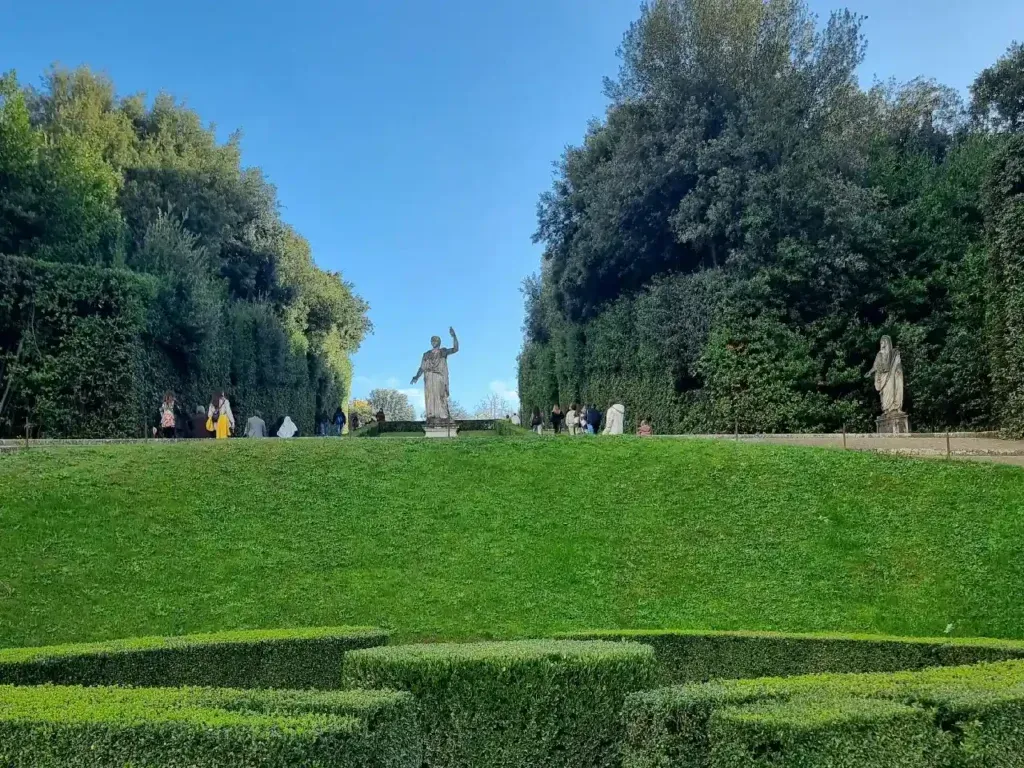
The choice of access point significantly determines the tour experience due to the terrain's topography. For example, the Porta Romana entrance allows a more gradual ascent through the Viottolone, a large avenue surrounded by cypresses and statues. In contrast, other entrances present logistical challenges due to their steepness. This slope makes access difficult for people in wheelchairs or with reduced mobility.
According to a Tripadvisor user, the entrance near Giardino Corsi is demanding due to steep inclines. The path climbs sharply to the Lemon House and later to the back of the Pitti Palace. Therefore, travelers should avoid this route.
The main ticket office stays in the Pitti Palace, but the Porta Romana entrance also provides ticket sales services. This option is less congested for tourists who seek a faster way to enter the Boboli Gardens.
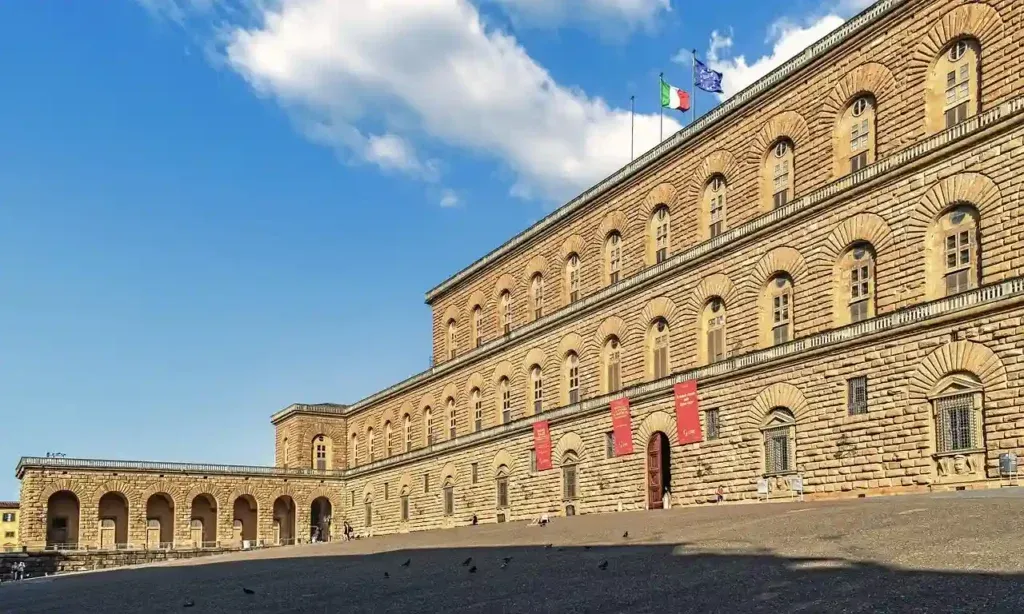
Piazza de' Pitti entrance
The Piazza de' Pitti Entrance serves as the primary gateway to the complex. This entrance experiences the highest volume of pedestrian traffic throughout the day. It provides a direct route from the central courtyard of the palace toward the Boboli Amphitheater.
This path contains the necessary infrastructure for individuals who require wheelchair access. Visitors choose this entry point to reach the center of the site without navigating stairs. The location connects the street level to the main architectural features of the estate.
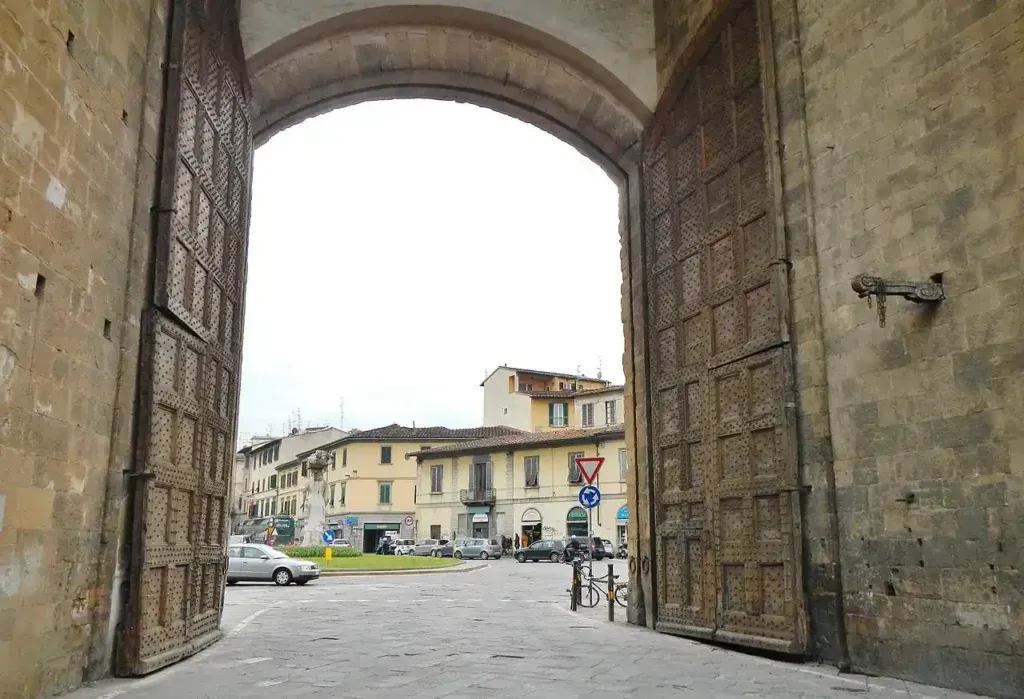
Porta Romana entrance
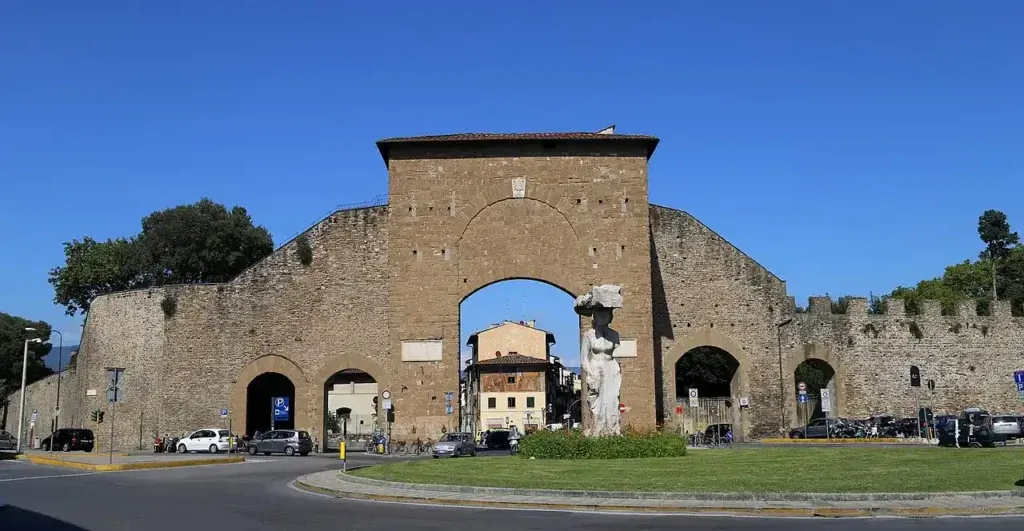
The Porta Romana entrance sits at the southern perimeter of the park. This gate provides a direct path to the Island area, also known as L'Isolotto.
Travelers who arrive by car or bus from locations outside the historic center select this entry point. The surrounding area contains more space for vehicle maneuvers and passenger drop-offs. Visitors use this access point to enter the gardens through the large stone gate. This entrance connects the park to the outer ring of the city.
Photo: "Porta Romana, Firenze" by Panoramio.
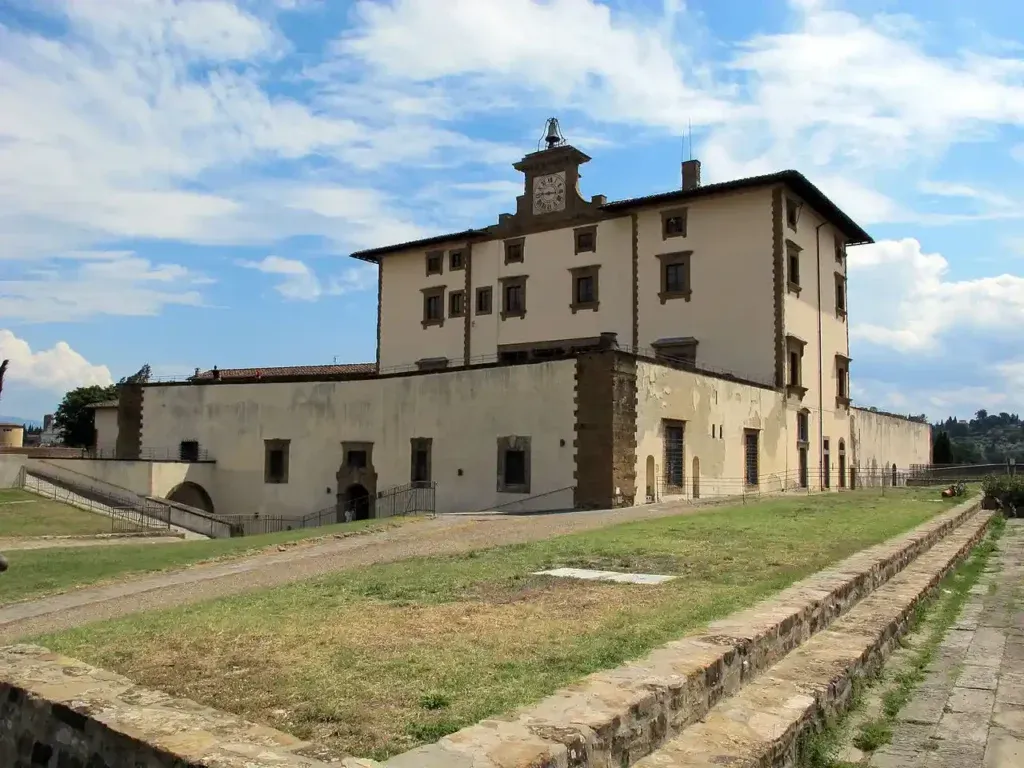
Forte di Belvedere entrance
The Forte di Belvedere Entrance occupies a position at the highest elevation of the garden near the Palazzina del Cavaliere. This gate links the garden grounds with the military fortress. Visitors reach this point to observe the panorama of Florence from the ridge
The path connects the architectural structures of the park to the defensive walls of the fort. Access through this gate follows the specific schedule and opening hours of the fortification. Travelers use this route to move between the historic citadel and the museum landscape.
Photo: "Forte Belvedere, edificio principale" by Sailko.
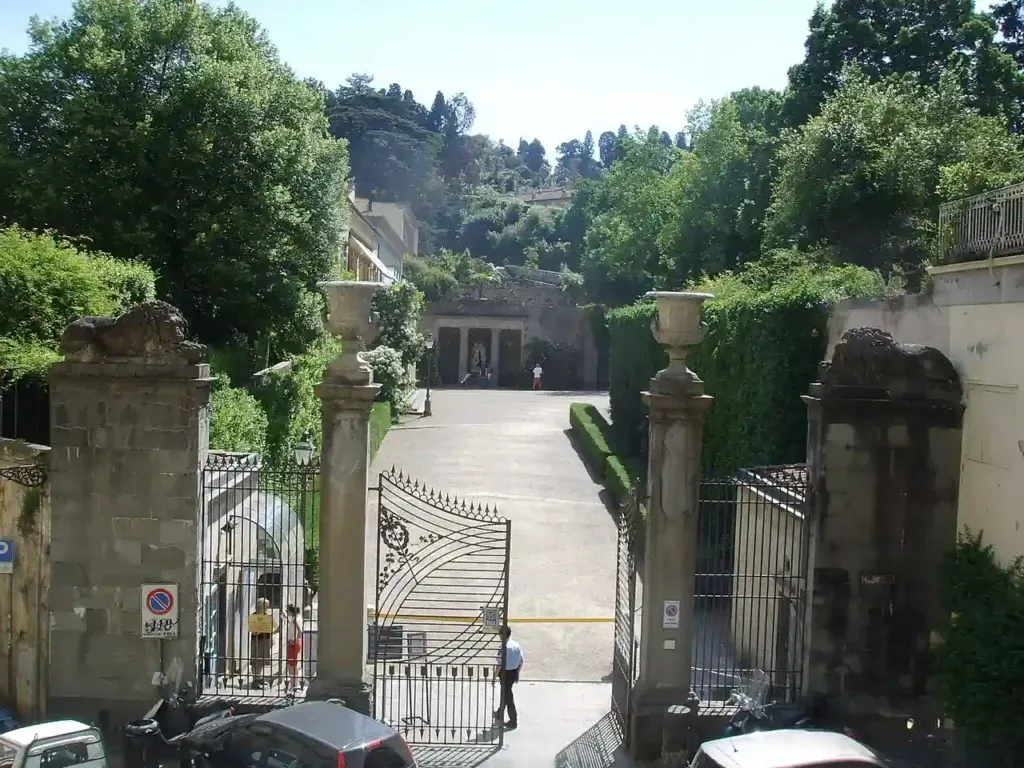
Via Romana Entrance (Annalena)
The Via Romana Entrance, also identified as the Annalena access, sits directly across from the Giardino Corsi. This side gate provides a path toward the central section of the garden grounds. The terrain at this location features a steep and uneven topography.
This entry point presents physical obstacles for visitors who use wheelchairs or possess limited mobility. The incline requires more exertion than the other access points. People seeking a level walking surface avoid this specific route due to the elevation changes.
Photo: "Boboli, ingresso di Annalena" by Sailko.
How to get to the Boboli Gardens?
Several ways exist to reach the Boboli Gardens via public transport or on foot, considering that Florence does not have a metro system.
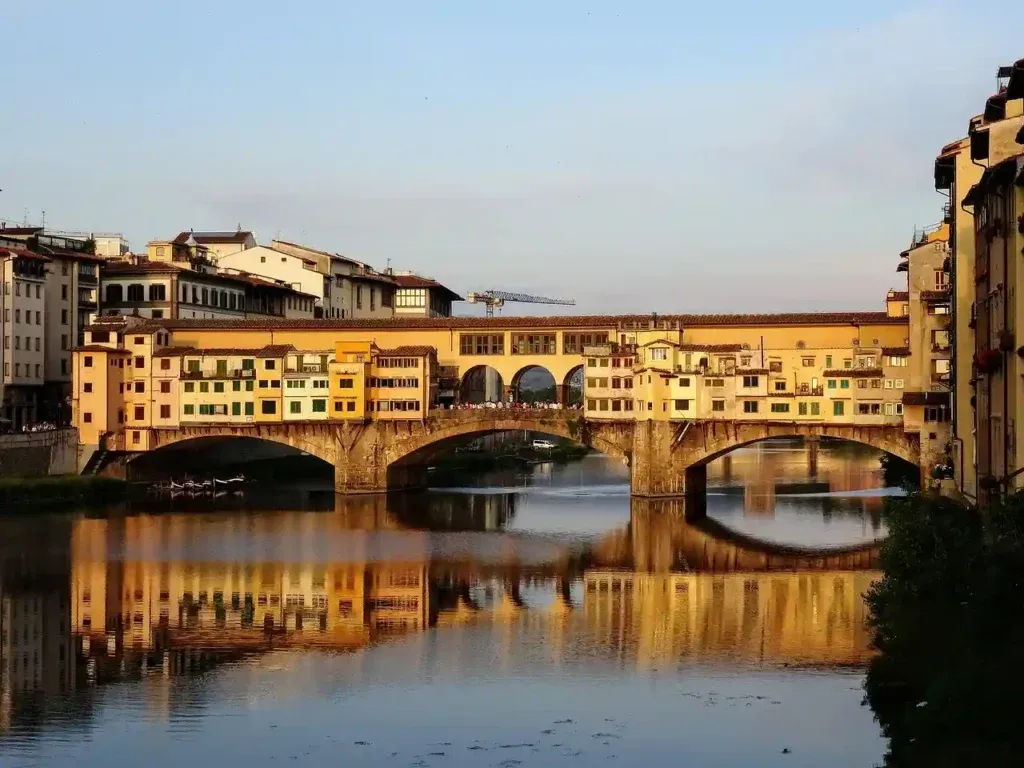
Walking is the most efficient way to access the site from the historic center. Visitors head toward the Arno River and cross the Ponte Vecchio. After walking approximately 5 minutes along Via de' Guicciardini, the Pitti Palace appears on the right.
This route allows travelers to enjoy Renaissance architecture and is the most direct path for those staying near Piazza della Signoria or the Duomo.